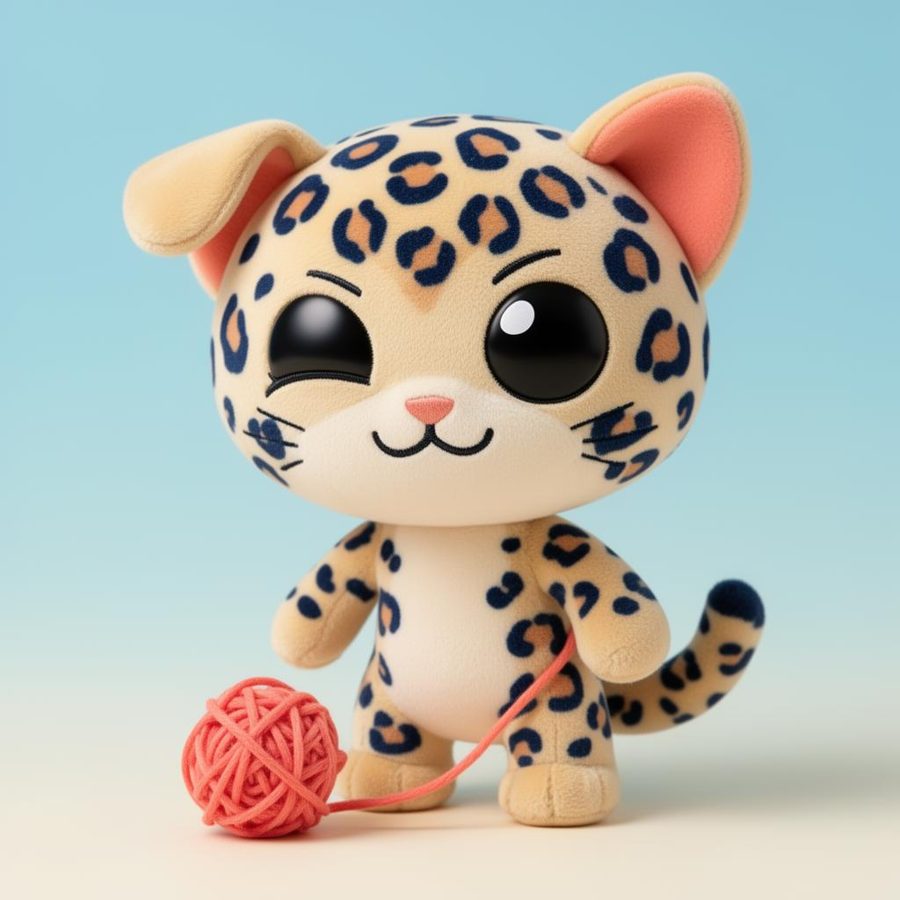
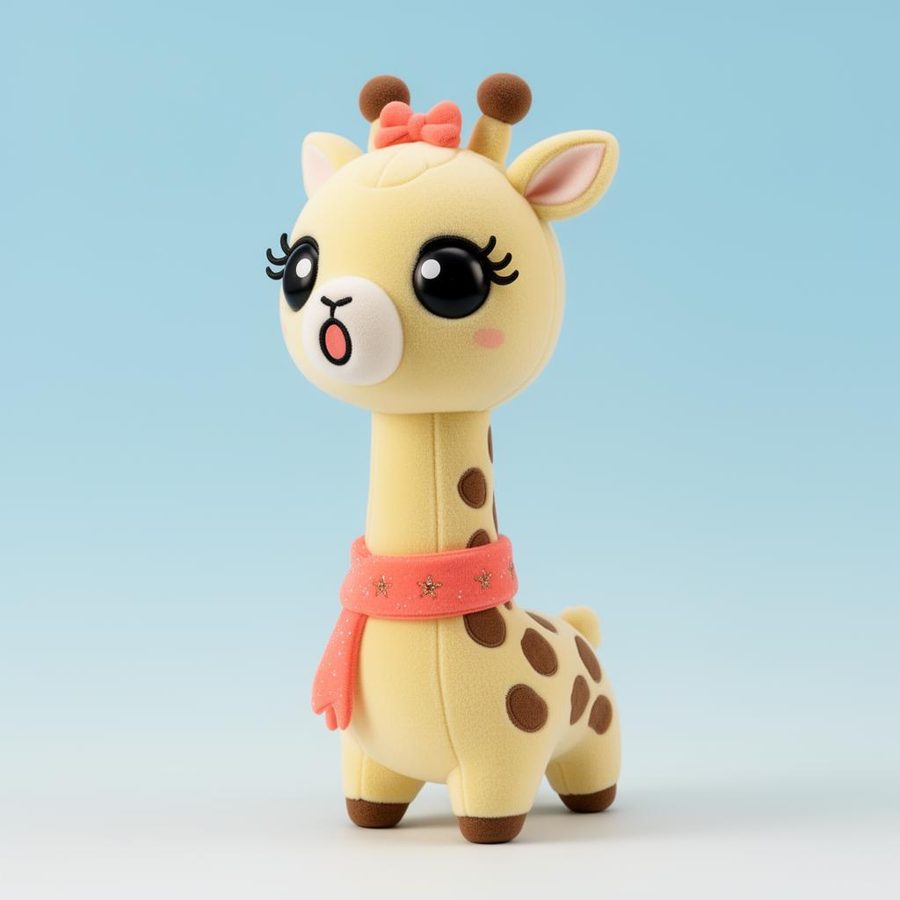
Meet the family
Every Family Has a Workhorse. Here's Why They Won't Sit Down, and How to Help



The short answer: Most families have a Workhorse: the person who notices what needs doing and does it before anyone asks. Government data shows the load isn't shared evenly. In 2025, 87% of women and 75% of men did household activities on an average day, and women who did them spent more time at it. Workhorses rarely stop because they're tired. They stop when someone shows them that leaning on others is part of love, too.
Figures as of October 30, 2026, from the Bureau of Labor Statistics American Time Use Survey: 2025 Results, released June 25, 2026.
Who is the Workhorse in your family?
You know a Workhorse when you live with one. They're the first one up and the last to rest. They pack the lunches, fix the wobbly chair nobody mentioned and remember the dentist appointment. Ask if they need help and they'll say, "I've got it."
In the Family Zoo, Workhorse is a donkey in a coral work vest with a tool belt and a chore sack. His line is "Keeps the wheels turning." He believes love looks like showing up, every single day. He isn't wrong. He's just missing half of it.
What does the data say about who carries the load?
The Bureau of Labor Statistics asks thousands of Americans to account for every hour of a day. Its latest results, covering 2025, show that household work still falls more heavily on women (BLS, June 25, 2026).
| Category | Did household activities |
|---|---|
| Women | 87% |
| Men | 75% |
Source: BLS, American Time Use Survey: 2025 Results (June 25, 2026)
Among people who did household activities, women averaged 2.8 hours on those days and men averaged 2.1 hours. In homes with children under 6, women spent 2.8 hours a day on primary childcare compared with 1.7 hours for men. Men also averaged more leisure time: 5.6 hours a day, compared with 4.8 hours for women (BLS, June 25, 2026).
| Category | Women | Men |
|---|---|---|
| Household activities (on days done) | 2.8 hrs | 2.1 hrs |
| Childcare, homes with kids under 6 | 2.8 hrs | 1.7 hrs |
| Leisure and sports | 4.8 hrs | 5.6 hrs |
Household activity hours are averages for people who did those activities that day. Childcare is primary childcare by adults living with children under 6.
Source: BLS, American Time Use Survey: 2025 Results (June 25, 2026)
The Family Zoo's Workhorse happens to be a boy donkey, but the Workhorse in your house could be anyone: Mom, Dad, a grandparent, the oldest sibling or the friend who always ends up organizing everything. The data simply says that, statistically, it's more often Mom.
Why won't the Workhorse just rest?
Because for a Workhorse, being useful feels like being safe. Many Workhorses grew up in households, or countries, where everyone had to pull their weight to get by. Hard work wasn't a personality trait. It was survival. Resting can feel like letting people down.
There's also a quieter reason: it's often easier to do it yourself than to explain, delegate and wait. Every "I'll just do it" makes sense in the moment. Added up, it becomes a life with no margin.
What about the Workhorse's best friend, the Giver?
Every Workhorse has a cousin in Generous Piggy, the hippo with a belly pouch full of coins and snacks whose line is "Here, take mine." Workhorses give their time. Givers give their everything. Both forget that their own cup needs filling. In the Family Zoo, Piggy's lesson is that generosity shines brightest when you also care for yourself.
How do you help a Workhorse?
Not by telling them to relax. That just adds "relax" to their to-do list. Try this instead:
- Take one thing off the list for good, not just once. Workhorses notice permanent help.
- Notice the invisible work out loud. "You remembered the field trip form. Thank you." Being seen matters more than being thanked.
- Do it your way, and let it be fine. A Workhorse learns to let go when the world doesn't end if the towels are folded differently.
- Protect their rest the way they protect everyone else's. Sit with them. Make the tea. Guard the nap.
Which Family Zoo character are you?
If you read this nodding along, you might be a Workhorse yourself. Or you might be the Panda who reminds the Workhorse to breathe, or the Lion Cub who stands guard while they rest. Take the Family Zoo character quiz, then send it to the Workhorse in your life.
The Zookeeper's take
A family isn't a list one person carries. It's a list everyone helps hold. If you're the Workhorse, I see you: the lunches packed, the chair fixed, the calm voice you used when you didn't feel calm at all. Count what you did today. Then let someone carry a little of tomorrow. Resting isn't the opposite of love. It's how you keep having love to give.
FAQ
Who does more household work in the US? According to the BLS American Time Use Survey for 2025, 87% of women and 75% of men did household activities on an average day. Among those who did, women averaged 2.8 hours and men 2.1 hours.
How much time do parents of young children spend on childcare? In 2025, adults living with children under 6 spent an average of 2.8 hours a day (women) and 1.7 hours a day (men) on primary childcare, according to BLS.
Who is Workhorse in Mighty Su? Workhorse is a donkey in The Family Zoo, the first generation of SuPlushies' Mighty Su characters. He's the family's quiet backbone who's learning that leaning on others isn't weakness.
Is there a story about Workhorse? Yes. Read Workhorse's Big Day and, for grown-ups, What You Can, With What You Have.